
Donate for Poor People: A Step Toward Humanity, Compassion & Social Change
Helping those in need is one of the most meaningful ways to create a positive impact in society. Donating for poor people is not just an act of charity—it is a responsibility that contributes to building a more equal and compassionate world. Millions of people struggle daily for basic necessities like food, shelter, healthcare, and education. Your small contribution can make a big difference in someone’s life.
Why Donation Matters
Poverty is a major challenge in many parts of the world, including India. Lack of access to basic resources prevents individuals from living a dignified life. Donations help bridge this gap by providing immediate relief and long-term support.
Donating helps in:
- Providing food and clean water
- Supporting education for underprivileged children
- Offering medical care to those who cannot afford it
- Creating employment opportunities
- Improving living conditions
Every contribution, whether big or small, brings hope and change.
Types of Donations
There are various ways you can support poor and needy people:
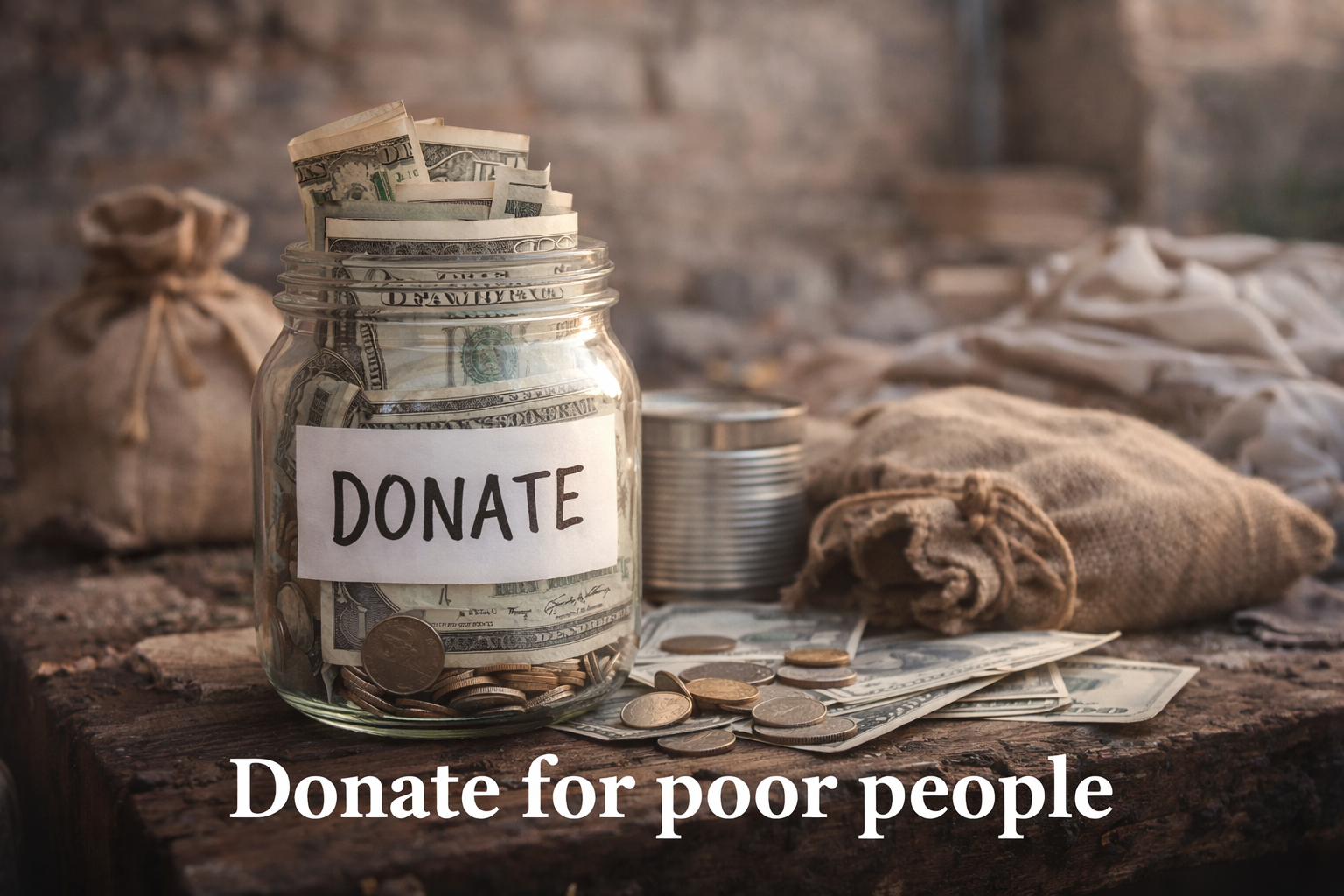
- Monetary Donations
Financial contributions to NGOs or charities help fund essential programs. - Food Donations
Providing meals to the hungry is one of the most direct forms of help. - Clothing Donations
Donating clothes, especially during winter, helps protect people from harsh conditions. - Educational Support
Sponsoring a child’s education can transform their future. - Medical Aid
Helping with treatment costs or organizing health camps saves lives. - Skill Development Support
Funding vocational training helps people become self-reliant.
Benefits of Donating
Donating is not only beneficial for recipients but also for donors:
- Creates a sense of purpose and fulfillment
- Strengthens community bonds
- Promotes empathy and kindness
- Contributes to social development
- Encourages others to help
It is a simple act that creates a ripple effect of positivity.
How to Donate Effectively
To ensure your donation reaches the right people:
- Choose a trusted NGO or organization
- Verify authenticity and transparency
- Understand how funds are utilized
- Prefer organizations with proven impact
- Keep records of your donations
Responsible giving ensures maximum impact.
Role of NGOs and Charities
Organizations like Akshaya Patra Foundation and Goonj play a vital role in helping the poor. They work in areas such as hunger relief, education, disaster response, and rural development.
Such organizations ensure that donations are properly utilized and reach those who need them the most.
Government Initiatives
The government also runs various welfare schemes to support the poor, including:
- Free food distribution programs
- Healthcare schemes
- Housing initiatives
- Employment programs
However, public participation through donations enhances these efforts.
Donation in the Digital Era
Technology has made donating easier than ever:
- Online donation platforms
- UPI and digital payments
- Crowdfunding campaigns
- Social media awareness
You can now support causes from anywhere with just a few clicks.
Corporate Social Responsibility (CSR)
Companies are also contributing through CSR initiatives by funding:
- Education projects
- Healthcare programs
- Rural development
- Environmental sustainability
Corporate donations play a significant role in large-scale social impact.
Small Acts That Make a Big Difference
You don’t always need money to help:
- Volunteering your time
- Teaching underprivileged children
- Donating unused items
- Supporting local community efforts
Even small actions can bring meaningful change.
Challenges in Donation
While donating is noble, challenges exist:
- Fraudulent organizations
- Lack of transparency
- Misuse of funds
- Limited awareness
Being informed and cautious helps overcome these issues.
Building a Culture of Giving
Creating a culture of giving is essential for long-term change:
- Teach children the value of sharing
- Encourage community participation
- Support local initiatives
- Celebrate acts of kindness
When giving becomes a habit, society becomes stronger.
Impact of Donations
Donations have long-term benefits:
- Reduces poverty levels
- Improves literacy rates
- Enhances healthcare access
- Promotes economic growth
- Builds a more inclusive society
Every contribution helps create a better future.
Emotional and Social Value
Helping others brings emotional satisfaction and strengthens human connections. It reminds us of our shared responsibility toward society and humanity.
Conclusion
Donating for poor people is one of the most powerful ways to bring change in the world. It goes beyond charity—it reflects compassion, responsibility, and humanity. Whether through money, time, or resources, every effort counts.
By supporting those in need, you are not just helping individuals—you are contributing to a better, more equal society. Start today, because even the smallest act of kindness can make a lasting impact.