
Empowering Lives: Supporting the Poor & Differently Abled for an Inclusive Society
In a world that is rapidly progressing, there are still millions of people who struggle to meet basic needs due to poverty and disability. Creating an inclusive society where everyone gets equal opportunities is not just a responsibility—it is a necessity. Supporting the poor and differently abled individuals is one of the most impactful ways to bring real change at the grassroots level.
Understanding the Challenges
People living in poverty and those with disabilities often face multiple barriers such as:
- Limited access to education
- Lack of employment opportunities
- Inadequate healthcare facilities
- Social discrimination and exclusion
- Financial instability
These challenges not only affect individuals but also hinder overall societal growth.
Why Supporting the Differently Abled Matters
Differently abled individuals possess unique talents and capabilities. However, due to lack of accessibility and awareness, they often do not get equal opportunities.
Providing support helps in:
- Promoting independence
- Boosting confidence and self-esteem
- Creating equal opportunities
- Encouraging social inclusion
An inclusive environment allows them to contribute meaningfully to society.
Role of NGOs in Creating Change
Non-Governmental Organizations (NGOs) play a vital role in supporting underprivileged and differently abled communities. Organizations like Vachaspati Nyay Sansthan Trust actively work towards:
- Providing education and skill training
- Offering legal and social support
- Organizing awareness campaigns
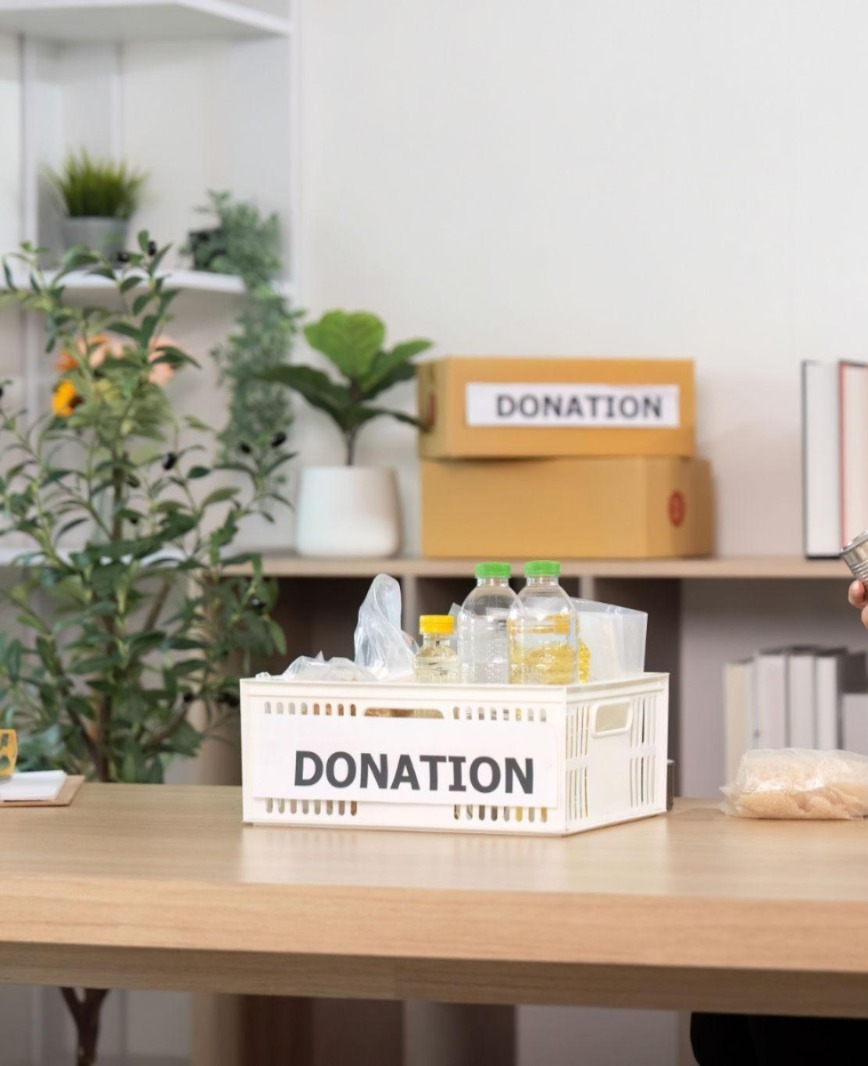
- Distributing essential resources
These efforts help uplift communities and create sustainable impact.
Key Areas of Contribution
1. Education & Skill Development
Education is the foundation of empowerment. NGOs and individuals can contribute by:
- Sponsoring education for underprivileged children
- Providing vocational training for differently abled individuals
- Promoting digital literacy
Skill-based education helps individuals become self-reliant.
2. Healthcare Support
Access to healthcare is a major concern for poor and disabled individuals. Contributions can include:
- Free medical camps
- Distribution of medicines and assistive devices
- Awareness about health and hygiene
Healthy individuals can lead more productive lives.
3. Employment Opportunities
Providing employment is one of the most effective ways to empower people:
- Inclusive hiring practices
- Supporting small businesses
- Encouraging entrepreneurship
Financial independence brings dignity and stability.
4. Accessibility & Infrastructure
Creating accessible environments is essential:
- Wheelchair-friendly spaces
- Accessible public transport
- Inclusive digital platforms
Accessibility ensures equal participation in society.
5. Emotional & Social Support
Beyond financial help, emotional support is equally important:
- Encouraging community participation
- Reducing stigma and discrimination
- Promoting inclusive thinking
A supportive environment fosters confidence and belonging.
How You Can Contribute
Making a difference does not always require large resources. Small steps can create a big impact:
- Donate to NGOs working for these causes
- Volunteer your time and skills
- Sponsor education or medical needs
- Support inclusive businesses
- Spread awareness on social media
Every contribution counts in building a better society.
The Power of Collective Efforts
When individuals, organizations, and communities come together, the impact multiplies. Collective efforts can:
- Reduce poverty levels
- Improve quality of life
- Promote equality and justice
- Build a more inclusive society
Collaboration is key to long-term change.
Government & Legal Support
The government has introduced various schemes and laws to support differently abled individuals and economically weaker sections. Awareness and proper implementation of these initiatives can significantly improve lives.
NGOs often act as a bridge between government policies and beneficiaries, ensuring that support reaches the right people.
Future Vision: An Inclusive India
The vision for the future is clear—an India where:
- No one is left behind
- Equal opportunities are available to all
- Diversity is celebrated
- Inclusion becomes the norm
Achieving this vision requires continuous effort and commitment from everyone.
Conclusion
Supporting the poor and differently abled is not just an act of charity—it is a step toward building a just and inclusive society. By contributing in any form, we can help individuals lead dignified and independent lives.
Organizations like Vachaspati Nyay Sansthan Trust are already making a difference, but real change happens when more people join the movement. Together, we can create a society where everyone has the opportunity to grow, succeed, and live with dignity.